



Automated Email Marketing, Don't Let Your Customers Go
By Earl Rennie, Director of Digital Strategy
3 min readFirst published . Rewritten .
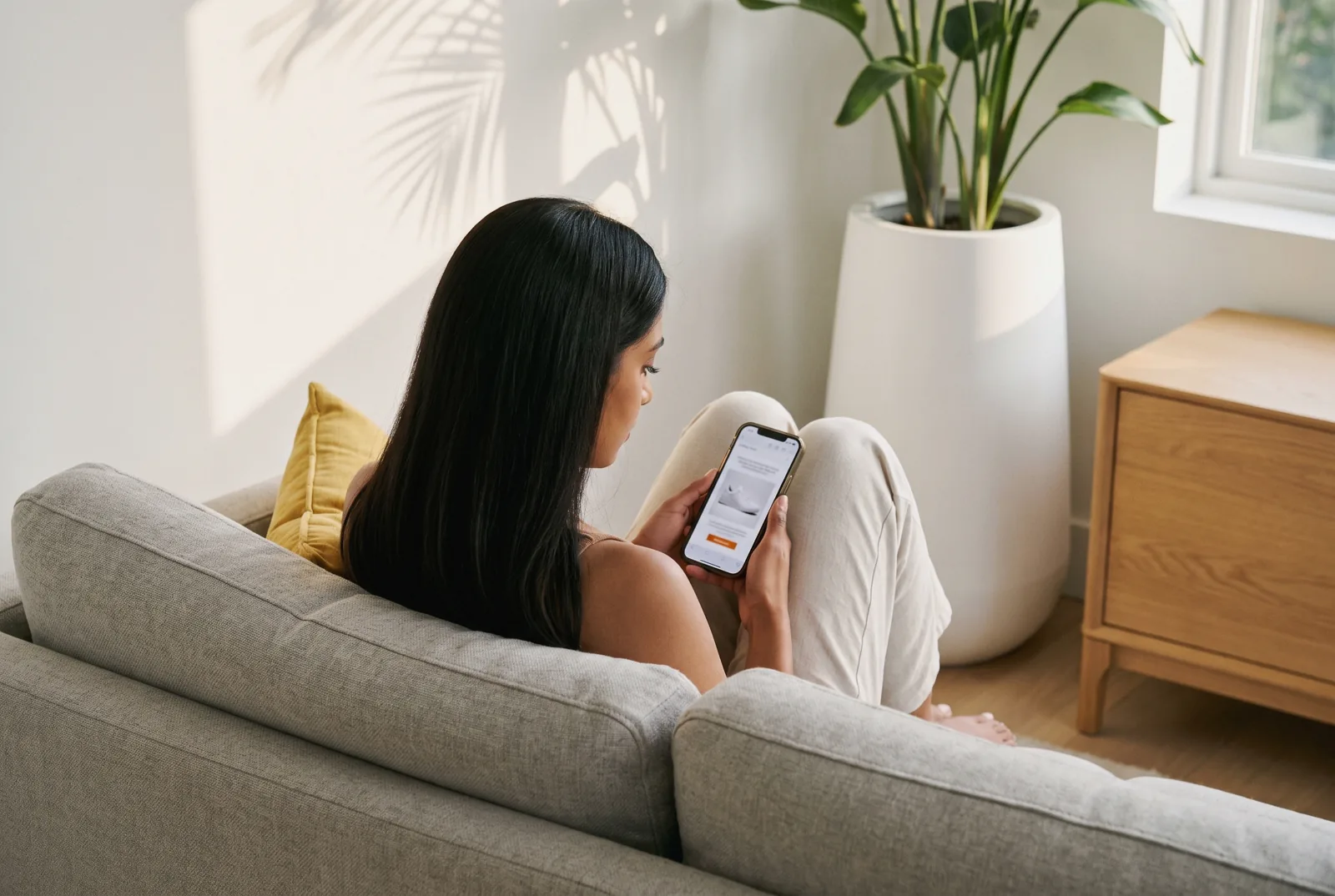
Most visitors leave an online store without buying, and most of them were genuinely interested. Automated email marketing wins a share of them back. A well-timed sequence, the first email within minutes of an abandoned cart, a follow-up within a day, and a final nudge within a week, turns lost visits into recovered sales, as long as the automation stays in sync with what the customer actually does.
It costs real money to bring shoppers to your store. Ads, content, social, all of it paid for one thing, the visit. Then most visitors browse, maybe load a cart, and leave. The frustrating part is that studies keep confirming what you already suspect. Most of them were interested. They just were not ready to buy on the spot.
Automated email marketing exists for exactly this moment. Done well, it feels like a helpful nudge from a store that remembers you. Done badly, it feels like being chased through the mall. This guide is about doing it well.
The Timing Sequence That Works.
The moment a cart is abandoned is your window. Send the first email within minutes, while the intent is still warm. If it goes unanswered, follow up within about a day. A final reminder lands within six days of the visit. That cadence comes from large-scale consumer studies, and it works because it matches how people actually shop, browse now, decide soon, forget eventually. Feel free to test your own intervals, but start there, and always show the customer the items they left behind, ideally with a direct link back to their cart.
One-to-One Beats One-to-Everyone.
The recovery email has to feel personal, closer to a follow-up from a helpful salesperson than the weekly promo blast. Address the person, show their items with good images, and add just enough, a short description, a review from a happy customer, maybe a small incentive. Your audience for these emails is already interested in your products. The email's only job is to put a spotlight back on what they wanted.
Stay in Sync or Stay Generic.
Here is where automation goes wrong. A customer returns on their own, buys the item, and then your discount email arrives offering a better price than they paid. Now your best customer feels cheated. Automated flows must be driven by real-time behaviour, so a purchase cancels the sequence instantly and a returning visit adjusts it. If your platform cannot track behaviour in real time, keep your automation simple and generic until it can. A slightly blunter email is far better than a personalized one that is wrong.
Easy on the Volume.
Every follow-up you add increases the chance of an unsubscribe, and an unsubscribe is permanent. Cap the sequence, respect the exit, and treat the unsubscribe rate as a health metric for the whole program. The goal is to keep genuinely interested people engaged, not to wear down everyone who ever loaded a cart.
Beyond the Abandoned Cart.
Once cart recovery is running, the same machinery serves the rest of the relationship. A welcome series that introduces new subscribers properly. A win-back flow for customers who have gone quiet. A post-purchase sequence that asks for the review while the box is still on the kitchen table. Each one is written once, runs forever, and compounds. That is the quiet beauty of automation, the work you did last quarter is still selling this quarter.
Our email marketing team builds and runs these programs for brands across the region, from the platform up.